





Creatine 101 - Benefits, Uses and How To Take.
Share
What Is Creatine?
Creatine is a naturally occurring compound found in small amounts in foods such as red meat and fish. It is also produced by the body from amino acids and stored mainly in muscle as phosphocreatine.
Phosphocreatine helps the body rapidly regenerate ATP, which is the energy currency used during short, intense activity. This is why creatine is commonly used by athletes, gym-goers and active adults who want to support strength, power and training output.
Why Is Creatine So Popular?
Creatine is popular because it is simple, versatile and well researched. Unlike many complex supplement routines, creatine does not need to be timed perfectly around training to be useful. The most important factor is consistency.
When taken daily, creatine helps increase muscle creatine stores over time. This can support performance during resistance training, sprinting, repeated high-intensity exercise and other activities that require short bursts of energy.
Key Benefits of Creatine
Creatine may help support:
- Muscle strength and power
- High-intensity exercise performance
- Training capacity and repeated effort
- Muscle recovery after exercise
- Lean muscle support when combined with resistance training
- Active ageing and strength maintenance
- Cellular energy production
Creatine is not just for bodybuilders. It can be relevant for athletes, everyday gym users, active adults, women, older adults and people wanting to support physical performance and general wellness.
Who Can Benefit From Creatine?
Creatine may be suitable for:
- Gym-goers and strength trainers
- Athletes and active adults
- People doing high-intensity interval training
- Runners, cyclists and team-sport athletes
- Women wanting to support strength and performance
- Older adults wanting to maintain muscle function
- People following plant-based diets, who may have lower dietary creatine intake
As with any supplement, people who are pregnant, breastfeeding, under medical care, or managing kidney disease should seek healthcare professional advice before use.
How Much Creatine Should You Take?
A common daily maintenance amount is 3–5 g of creatine monohydrate per day. Some people use a short loading phase, but it is not essential. Daily consistency is more important than timing.
When Is the Best Time to Take Creatine?
Creatine can be taken at any time of day. Many people add it to water, juice, smoothies, pre-workout drinks, protein shakes or wellness beverages.
The best time to take creatine is the time you will remember to take it consistently.
Is Creatine Safe?
Creatine monohydrate is one of the most studied sports nutrition ingredients. It is generally considered well tolerated in healthy adults when used at recommended daily amounts.
Some people may experience mild water retention or digestive discomfort, especially with higher intakes. Starting with a simple daily serve and drinking adequate water is a practical approach.
The Takeaway from Our Nutritionist
Creatine is a simple, effective and well-researched supplement for active people. It can support strength, power, performance and recovery as part of a consistent health, nutrition and training routine.
For best results, take it daily, stay consistent, and pair it with good nutrition, hydration and regular movement.
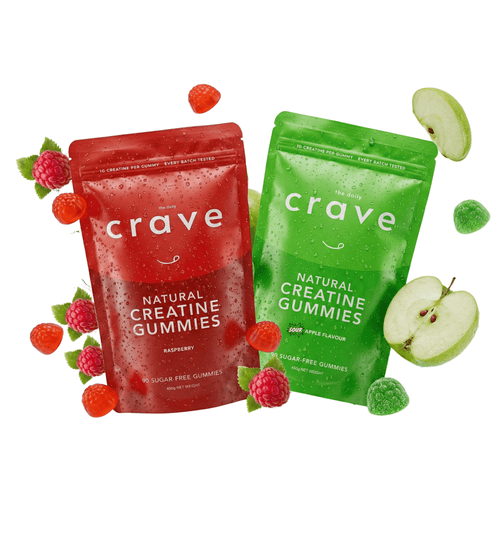
Our delicious and natural creatine gummies can help get your body and brain connected- try now.